Two malaria headlines broke out of Nigeria within a day of each other this week, pulling in opposite directions. One state pumped the brakes on a malaria programme over accountability concerns. The federal government, meanwhile, announced it’s preparing to expand a different malaria intervention to babies across the country. Both are worth understanding, because together they say something real about where Nigeria’s malaria fight actually stands.
What Happened in Kano
Kano State’s Ministry of Health suspended its Seasonal Malaria Chemoprevention (SMC) programme on Thursday and constituted a high-level committee to investigate how it had been planned, distributed, and implemented across the state.
The programme manager was immediately suspended, with responsibilities handed to the most senior remaining officer pending the outcome. The investigating committee, chaired by the Director-General of the Kano State AIDS Control Agency, will review work plans, distribution records, personnel documentation, and beneficiary lists. The ministry was explicit that the goal was accountability, not disruption: all field operations, medicine distribution, and community engagement under the programme have been halted while the review proceeds.
SMC itself is a well-established, WHO-recommended intervention: eligible children in northern Nigeria receive antimalarial medicines during the rainy season, when transmission spikes, to prevent illness and death. It’s the same category of intervention underpinning Kebbi State’s malaria vaccine rollout we’ve previously covered — this pause is about how the Kano programme was run, not whether the underlying strategy works.
Meanwhile in Abuja: A New Shield for Babies
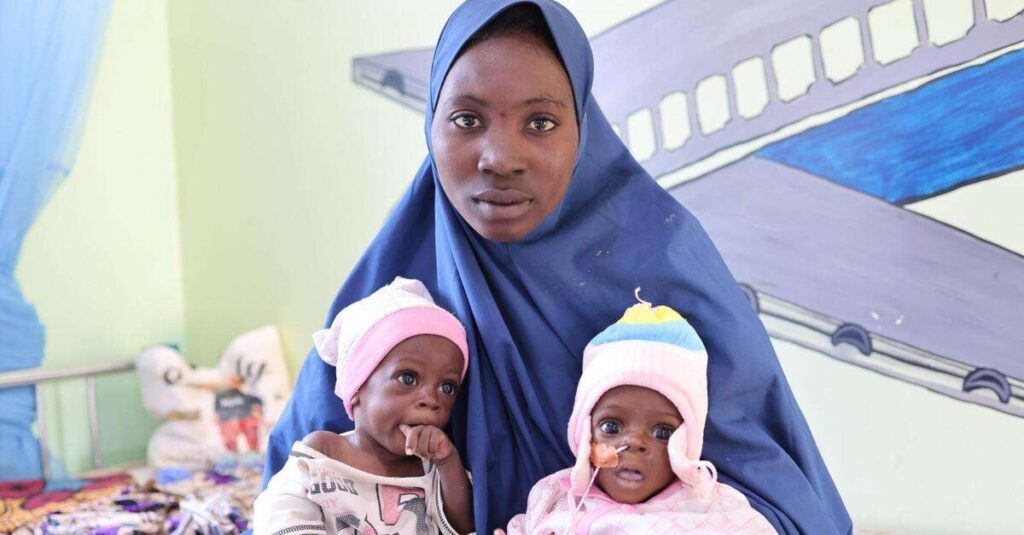
On the same day, Minister of State for Health Dr. Iziaq Salako announced Nigeria is moving toward policy adoption of Perennial Malaria Chemoprevention (PMC) — a newer intervention for infants under 24 months living in areas with year-round malaria transmission, concentrated mostly in southern Nigeria, where SMC’s seasonal model doesn’t apply. The decision follows an implementation study that began in 2023, after PMC was written into the National Malaria Strategic Plan 2021–2025. Salako has now directed the Department of Public Health and the National Malaria Elimination Programme to begin the policy work needed for a larger rollout, while government also assesses the intervention’s cost-effectiveness.
The Numbers Behind the Urgency
Salako used the announcement to underline how much is still at stake. Nigeria’s malaria prevalence has fallen steadily, from 42% in 2010 to 15% in 2025, according to the Nigeria Malaria Indicator Survey. But the country still accounts for 24.3% of global malaria cases and 30.3% of global malaria deaths, per the WHO’s 2025 World Malaria Report — figures that make Nigeria the world’s single largest malaria burden by a wide margin.
Why Both Stories Belong Together
It would be easy to read these as contradictory — one programme paused, another expanding. They’re not. A malaria response that only expands without scrutiny risks the same stock-outs, documentation gaps, and delivery failures Nigerian civil society groups have already flagged nationally. A functioning system needs both: the accountability checks Kano is now running, and the evidence-based expansion Abuja is pursuing. Whether Kano’s probe uncovers real problems or clears the programme, the more important signal is that a state health ministry is willing to pause and check its own paperwork before continuing.
What You Can Do
• If you’re in Kano and were expecting SMC medicine for your child, contact your local primary healthcare centre for updates — the ministry has said the pause is temporary, pending review.
• If you have a child under 24 months in a year-round transmission area (mostly southern Nigeria), ask your health facility whether PMC access is available or planned locally as policy develops.
• Keep using nets and prompt testing regardless of these programmes. Chemoprevention supplements — it doesn’t replace — consistent net use and testing before treatment.
The Health Factor Africa
Get verified health news, free
One email a week: explainers, myth-checks, and the stories behind the headlines.
Work in health policy, government or an NGO? Get the monthly Policy Brief instead.