Category: Explainers

Nigeria Has Fewer Than 700 Radiologists for 230 Million People. This AI Reads an X-Ray in 45 Seconds.
Nexus AI's chest X-ray screening tool analyses images for TB and other abnormalities in about 45 seconds, built specifically to work in…
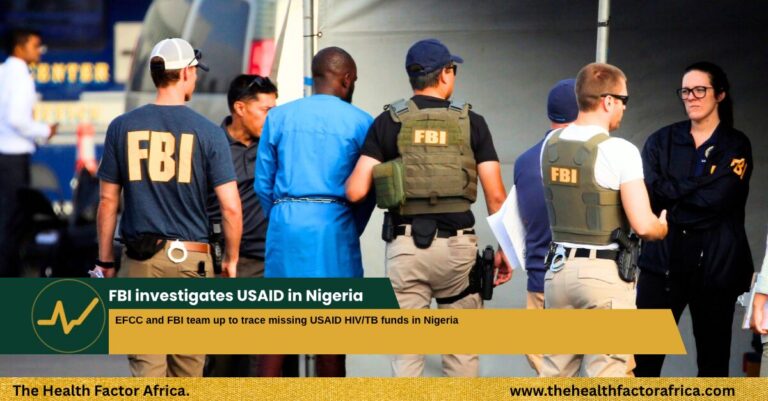
EFCC, FBI Launch Joint Probe Into Alleged Diversion of USAID Health Funds
The EFCC and FBI have agreed to jointly trace USAID funds meant for Nigeria's HIV and TB response, after US investigators flagged…
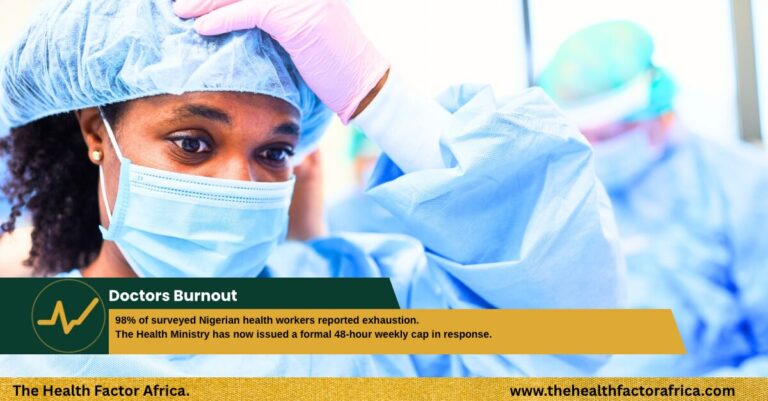
Nigeria Just Capped Doctors at 48 Hours a Week. The Survey Behind It Should Worry You More Than the Policy.
Nigeria's Health Ministry has issued a 48-hour weekly work cap for healthcare personnel, following a survey of 6,350 workers that found 39%…
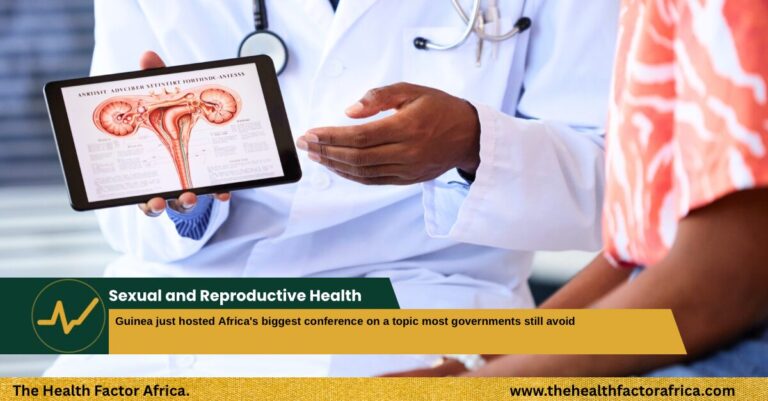
Guinea Just Hosted Africa’s Biggest Conference on a Topic Most Governments Still Avoid
Guinea's president opened a major regional conference on sexual and reproductive health and rights in Conakry, as officials pushed universal health coverage…
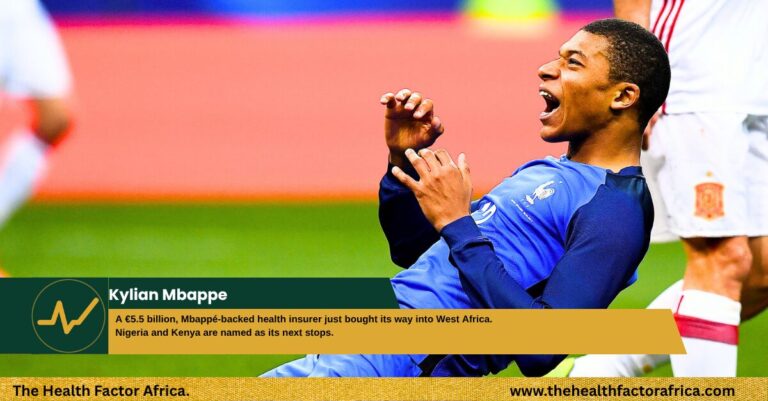
A Mbappé-Backed Insurance Startup Just Bought Its Way Into West Africa. Nigeria Is Next on the List.
French health insurance unicorn Alan has acquired Senegalese healthtech startup Tanel in its first African move, targeting 1 million members across the…
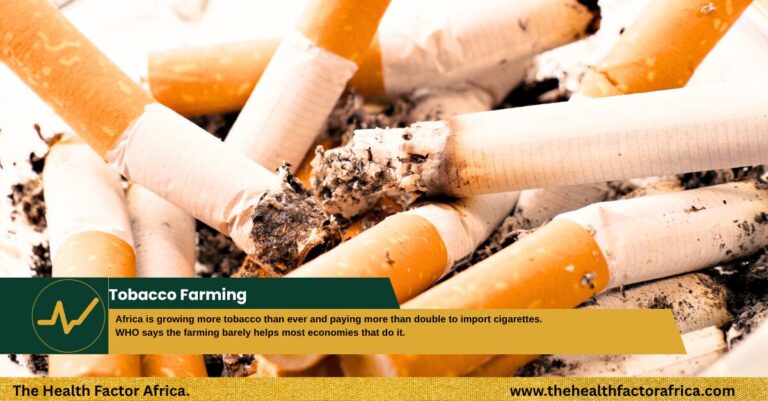
Africa Is Growing More Tobacco Than Ever. It’s Also Paying Twice as Much for Cigarettes From Abroad.
WHO analysis shows Africa's tobacco-leaf production rose almost 9% between 2012 and 2024 even as global production fell 19%. Meanwhile the continent's…
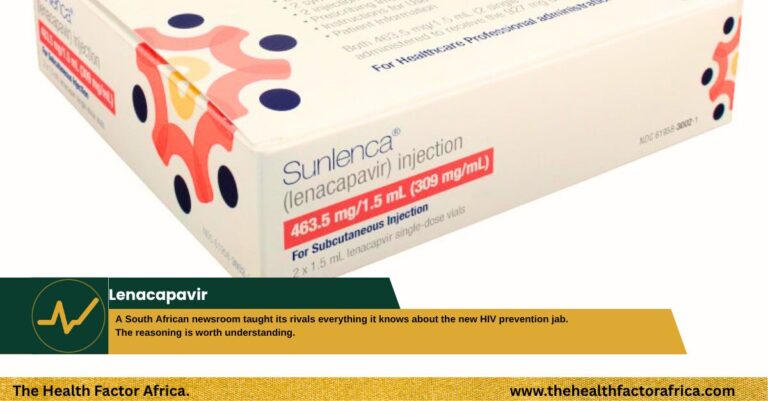
A South African Newsroom Shared Its Best HIV Sources With Its Competitors. Here’s Why That Actually Matters to You.
South African health newsroom Bhekisisa brought ten competing journalists together to share its sources and data on lenacapavir, the HIV prevention injection…
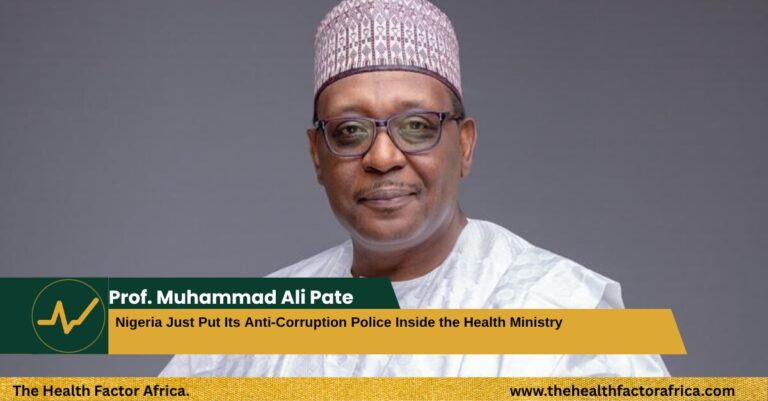
Nigeria Just Put Its Anti-Corruption Police Inside the Health Ministry
The Federal Ministry of Health and the ICPC have inaugurated a Joint Task Team specifically built to catch health-sector corruption before it…
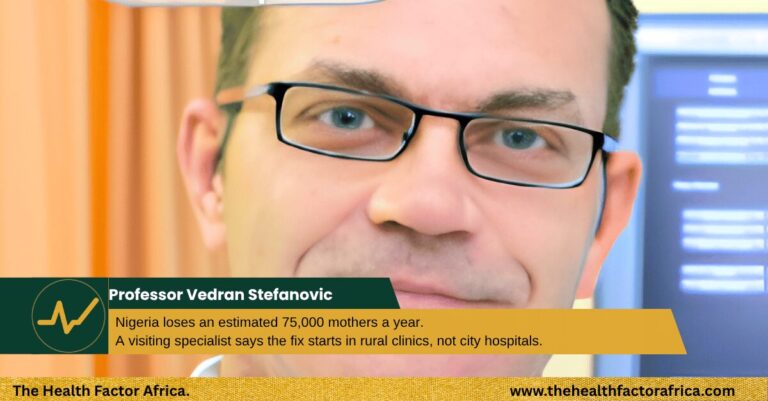
A Finnish Doctor Flew to Kano to Say What Nigeria Already Knows: The Crisis Is Rural.
Nigeria's maternal mortality ratio stands at 1,047 deaths per 100,000 live births, among the highest in the world. Speaking in Kano, a…
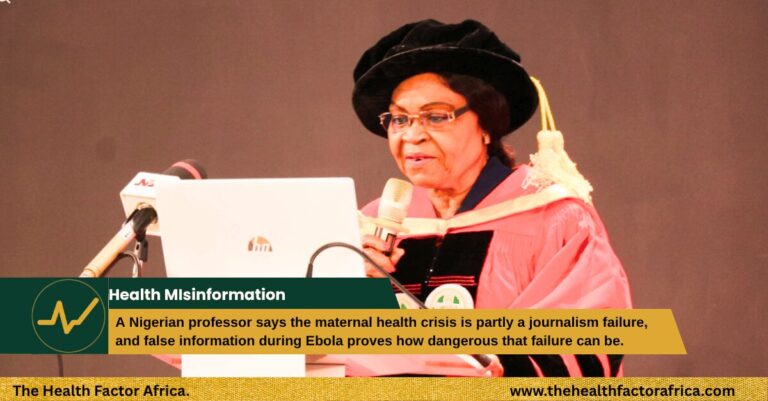
A Nigerian Professor Says the Maternal Health Crisis Is Also a Journalism Failure
A Mass Communication professor at Nigeria's Open University says the country's maternal and child health crisis isn't only a healthcare system failure,…