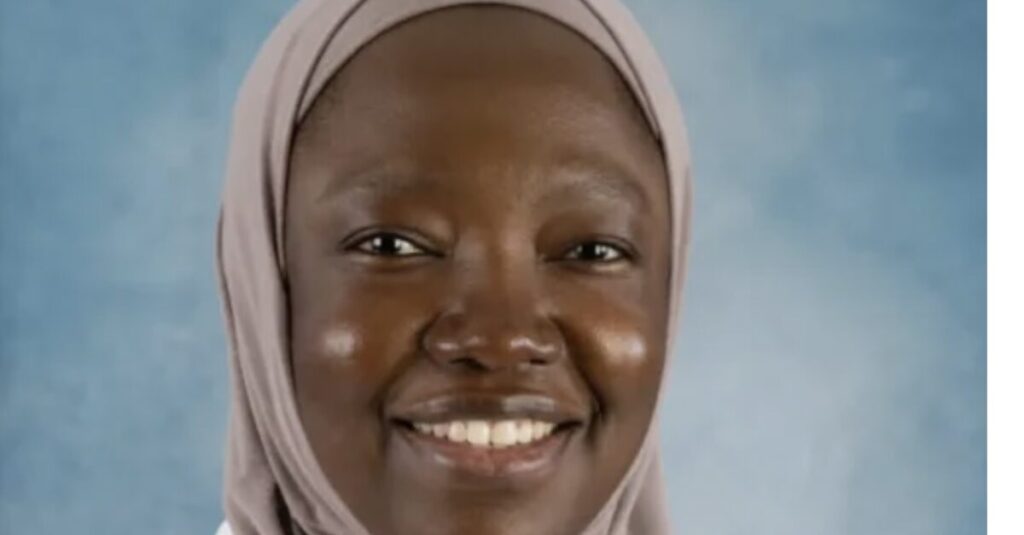
In 2014, Dr. Salamat Ahuoiza Aliu-Ibrahim made history — the first woman to complete neurosurgery training entirely within Nigeria, and the first indigenously trained female neurosurgeon in all of West Africa. She practiced at the University of Ilorin Teaching Hospital, mentored medical students who traveled from across the country just to learn from her, and became a name young Nigerian women in medicine looked up to.
Today, she’s a pediatrician and Medical Director at a children’s clinic in Joplin, Missouri. That gap — between “first female neurosurgeon in West Africa” and “pediatrician in Missouri” — is the part of this story worth sitting with.
The Achievement Everyone’s Celebrating
The Nigerians in Diaspora Commission publicly congratulated Aliu-Ibrahim this week on her appointment as Medical Director of Freeman Children’s Clinic in the US, calling it a testament to Nigerian excellence abroad. NiDCOM Chairman Abike Dabiri-Erewa framed the achievement as proof that faith and success aren’t in tension, saying Aliu-Ibrahim’s appointment was a reminder that “Muslim women cover their hair, not their brains.” Dabiri-Erewa also used the moment to flag her concern over the continued migration of skilled Nigerian healthcare workers, while pointing to federal efforts to improve pay and working conditions to slow it.
The Twist Most Headlines Leave Out
Here’s what didn’t make the celebratory statement: Aliu-Ibrahim isn’t practicing neurosurgery in the US at all. After completing a pediatric neurosurgery fellowship at Boston Children’s Hospital and returning to work as a consultant neurosurgeon in Nigeria, she decided to relocate permanently to the US. She initially intended to continue in neurosurgery there too — but “I did not match into a neurosurgery residency,” she later explained, so she switched fields entirely, retraining in pediatrics from the beginning. She completed that residency at the University of Texas Medical Branch before eventually landing at Freeman Health System, in a role required by her visa type to be in a medically underserved area.
Why This Reopened Nigeria’s Brain Drain Debate
When the news spread, reactions split sharply. Some Nigerian doctors online were blunt about what it meant for a fully trained consultant neurosurgeon to restart as a first-year resident in a different specialty just to remain in the US — one physician compared it to someone with a master’s degree returning to primary school. Others pointed to specific gaps her departure widens, noting entire regions of Nigeria left served by a single neurosurgeon. Not everyone agreed it reflected badly on Nigeria specifically, though — some argued it was simply her individual career decision, not a referendum on the health system.
The Numbers Behind the Debate
This single story sits inside a much larger pattern. Nigeria’s Medical and Dental Council has over 130,000 doctors on its register, but only around 55,000 are actively practicing in the country — leaving roughly one doctor for every 3,600 to 4,000 Nigerians, far below WHO’s recommended ratio of 1 to 600.
What Her Story Actually Shows
Aliu-Ibrahim’s own account is less about rejecting Nigeria and more about chasing “better opportunities for professional growth” after years at the top of her field. That’s a distinction worth holding onto: brain drain isn’t only about doctors being pushed out by frustration — it’s also about a system that couldn’t offer enough room to grow for someone who had already reached its ceiling.
What You Can Do
• If you’re a Nigerian medical professional weighing relocation, know that US residency matching doesn’t guarantee you’ll practice in your existing specialty — research this before assuming continuity.
• Support mentorship networks connecting diaspora specialists back to Nigerian trainees; her earlier mentoring shows what’s lost locally when specialists leave.
• Follow retention policy, not just recruitment appeals. Diaspora “come home” campaigns matter less than whether pay, equipment, and career paths actually improve.
The Health Factor Africa
Get verified health news, free
One email a week: explainers, myth-checks, and the stories behind the headlines.
Work in health policy, government or an NGO? Get the monthly Policy Brief instead.