Why this matters so much in Nigeria
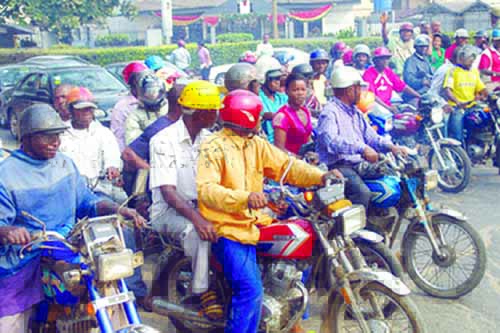
Look at how many of us move every day: on the back of an okada. Globally, the number of motorcycles more than tripled between 2011 and 2025, driven by ride-hailing and delivery work — and motorcyclists now account for nearly one in every three road deaths [WHO, 2026]. That is not a distant statistic. That is the ride you took to the market this morning.

The one thing that protects you
Here is the fact worth remembering above all others: wearing a proper, certified motorcycle helmet reduces your risk of dying in a crash by more than six times [WHO, 2026]. Not by a little. By more than six times.
Yet on our roads, helmets are often missing, cracked, unbuckled, or handed over filthy and ignored. A helmet resting on your lap, or hanging on the mirror, protects no one.
What you can do — today
• Insist on a helmet, every single time. If your okada rider doesn’t offer one, ask. If he can’t provide one, that tells you something about how he rides.
• Buckle it properly. An unfastened helmet flies off on impact and does nothing. The strap is the whole point.
• If you ride, wear yours too — and carry a spare for passengers. It protects your customers and your livelihood.
• Slow down and avoid night rides where you can. Speed and poor visibility turn survivable crashes into fatal ones.
The bigger picture
WHO is blunt about why African roads are so deadly: weak enforcement of the basics — speed, drink-driving, and helmet use [WHO, 2026]. Those are decisions for governments. But the helmet on your head is a decision for you, and it is the single most powerful thing standing between a bad crash and a funeral.
Road deaths are called “accidents,” but WHO is clear that they are preventable. Nigeria doesn’t have to be part of the region moving in the wrong direction. Some of that change starts with one buckled strap.