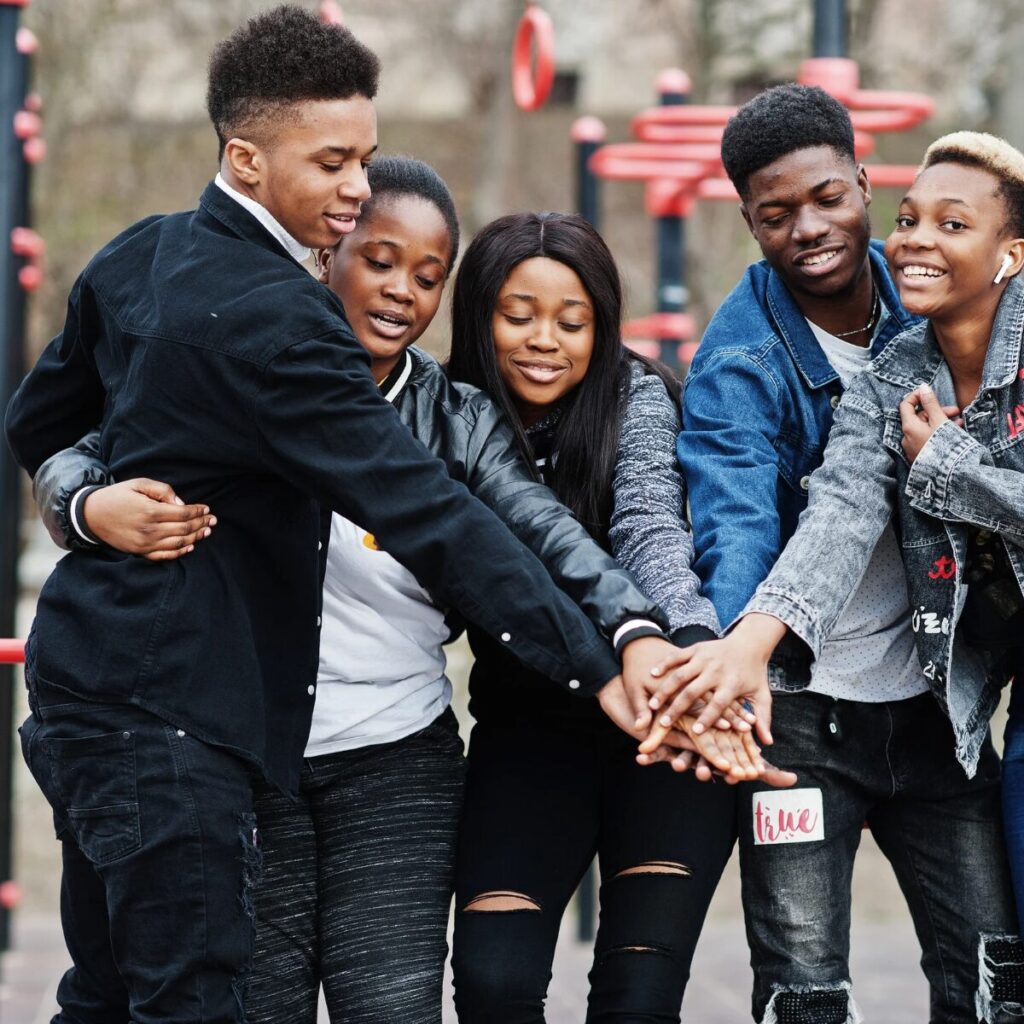
In late July, the WHO Country Office in Nigeria convened a Youth Consultative Forum on the WHO African Regional Strategic Plan 2026–2030 and Vision 2035 — held, notably, at the UN Conference Room in Abuja. The forum brought government officials, UN agencies, civil society groups, youth organizations, and development partners together for one purpose: to gather young people’s input before the strategy is finalized, not after.
WHO’s Representative in Nigeria framed the stakes directly — young people, the message went, should be active partners in designing the continent’s health agenda, not just recipients of programs designed without them. Nigeria’s Minister of Youth Development echoed the point, calling for health systems built to be responsive and youth-centered from the start.
Participants were asked to bring recommendations on eight areas that will define African health policy through 2035: universal health coverage, mental health, sexual and reproductive health, climate resilience, pandemic preparedness, digital health, equity, and health workforce development.
Why this isn’t just a feel-good gesture
Africa’s youth population is its defining demographic fact, and health systems built without youth input tend to miss where young people actually are — in the informal sector, offline from digital health tools designed for other markets, or facing mental health and reproductive health needs that older policy frameworks weren’t built to address.
This forum wasn’t an isolated event. It sits inside a wider continental shift:
• Africa CDC’s YES! Health Strategy (2025–2028) — the continent’s first comprehensive framework for institutionalizing youth leadership in public health — was built with input from 271 young people through virtual consultations and a 25-person youth expert working group, alongside Africa CDC’s own Youth Advisory Team for Health.
• WHO’s Youth Council (2026–2028 term) opened applications this year for youth-led organizations to directly influence global health policy discussions — not as an advisory afterthought, but as a standing body.
Taken together, the pattern is a shift from youth as the subject of health policy to youth as co-authors of it.
The test: does input become policy?
The honest tension in all of this is the gap between consultation and power. A forum, a council seat, or a working group is only as meaningful as what changes because of it. The African Regional Strategic Plan 2026–2030 is still being finalized — which means the recommendations gathered in Abuja have a real, near-term chance to show up in the actual document, or to quietly disappear into a report nobody revisits. That’s the marker worth watching past August 12.
The takeaway
International Youth Day 2026 asks the world to recognize that young people’s circumstances differ everywhere, but their aspiration for a genuine seat at the table doesn’t. Nigeria didn’t wait for August 12 to test that idea — it ran the meeting a few weeks early. Whether that translates into policy that actually reflects what was said in that room is the story to follow next.