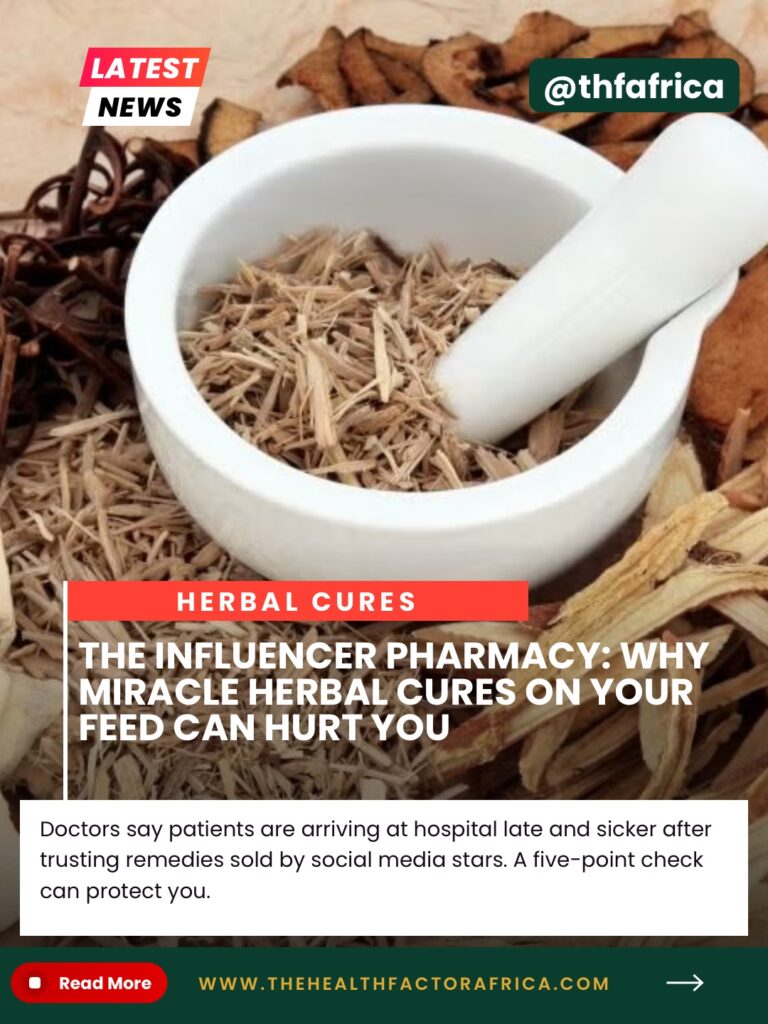
The video looks convincing. A glamorous influencer holds up an amber bottle, the comments are full of testimonies, and the price is less than a hospital consultation. Two weeks later, the symptoms are worse.
Doctors and pharmacists across Nigeria say this pattern is becoming common. A May 2026 Al Jazeera investigation reported that patients are reaching hospital only after their conditions have badly worsened, often after weeks on unverified remedies bought online. One product it described was sold by influencers as a treatment for several different eye conditions at once.
Why it works on us
Herbal medicine is part of our culture, it is often cheaper, and many people have lost trust in an expensive, stretched health system. Algorithms reward the most dramatic claims, and many followers trust influencers more than health authorities. One study cited in the report found that about three in four participants had used herbal medicine, and over 80 percent of users never told their doctor. That matters, because some herbs interact dangerously with prescribed drugs.
The five-point check
Before you buy, ask: 1. Does it have a NAFDAC number you can verify with NAFDAC? Fakes copy real numbers. 2. Does it claim to cure many unrelated diseases? No real medicine does. 3. Are ingredients, dosage and side effects listed? 4. Is the only evidence testimonies and before-and-after photos? 5. Does it tell you to stop your hospital medicine? That is the biggest red flag.
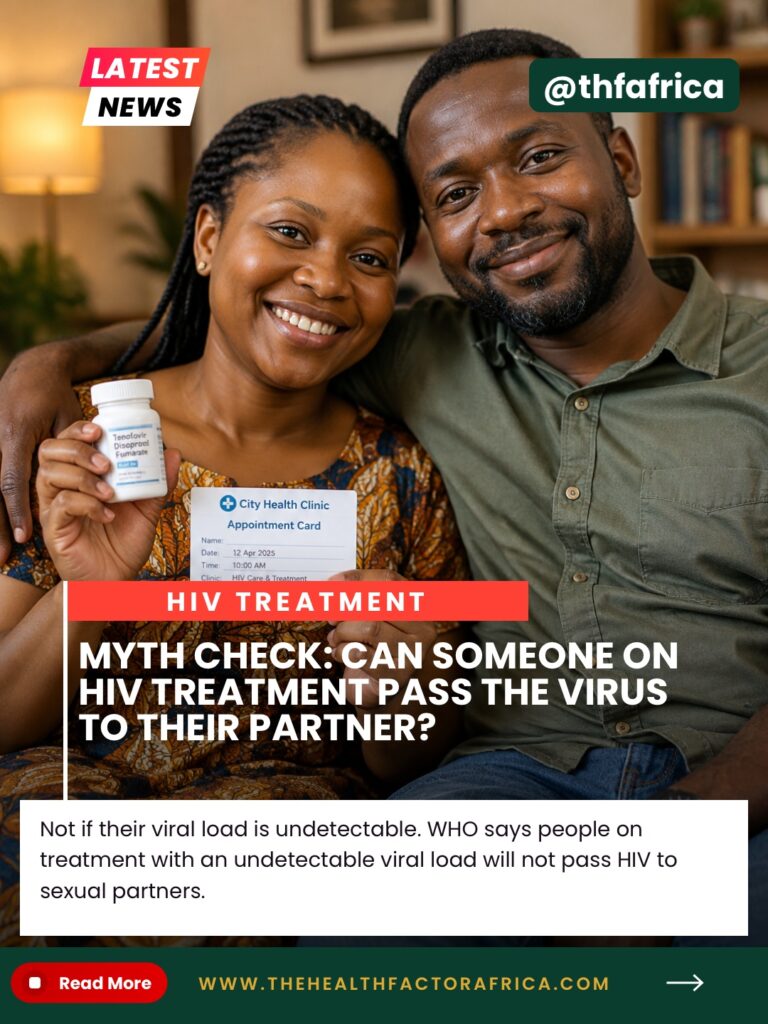
NAFDAC has issued several alerts this year, including an April warning against unregistered capsules sold as an HIV cure.
Herbal products are not automatically bad. But a cure that skips the doctor can cost you the time you need to get well. If you are using any remedy, tell your doctor or pharmacist.
This article is for general information and is not a substitute for professional medical advice.
The Health Factor Africa
Stay on top of the claims
One email a week: explainers, myth-checks, and the stories behind the headlines.