It usually starts like malaria. Fever, headache, weakness. The family buys drugs from the chemist, waits a few days, then tries another one. By the time the patient reaches a treatment centre, the virus has had a long head start.
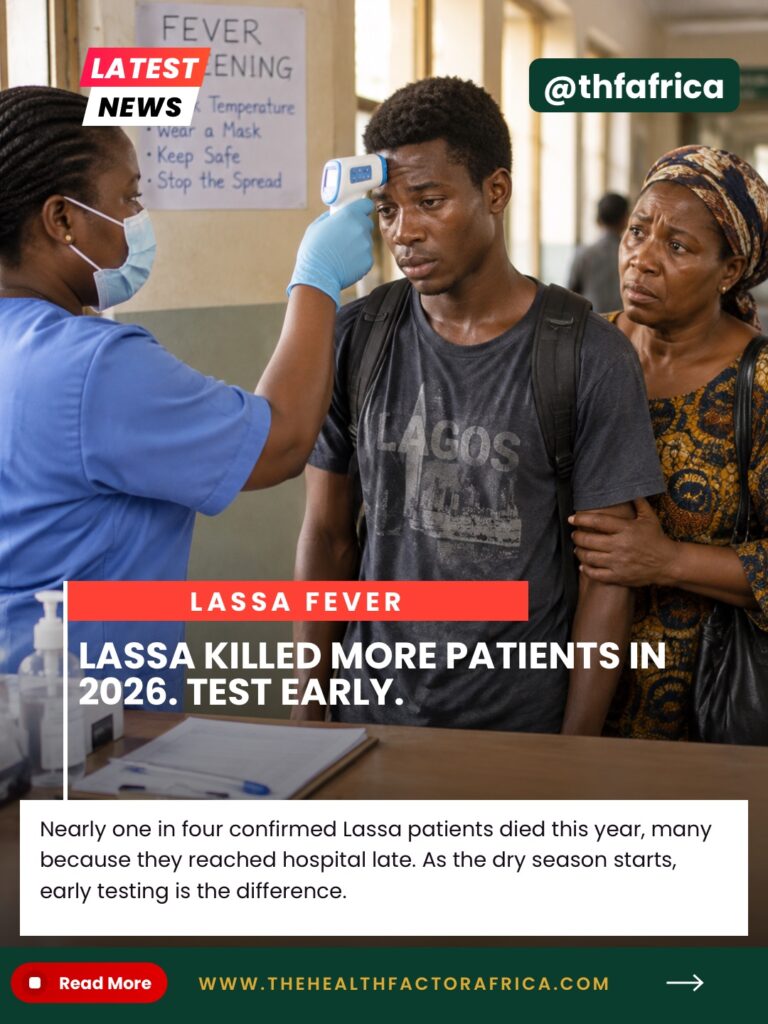
That delay is a big reason Lassa fever was so deadly in 2026. NCDC’s latest situation report counts 1,138 confirmed cases and 268 deaths this year, a case fatality rate of 23.6 percent, against 18.6 percent at the same point in 2025. Confirmed cases also rose, from 924 last year. NCDC links the high death rate to late presentation at health facilities, the cost of treatment and poor health-seeking behaviour. Health workers have paid a price too, with at least 53 infected by late July.
Why now
Lassa occurs all year, but NCDC says cases climb between November and April. In the dry season, rats move into homes looking for food, and the virus spreads through food or surfaces contaminated by their urine or droppings, and through the body fluids of sick people. Most cases come from a few states, including Ondo, Edo, Bauchi, Taraba and Benue, but 23 states have recorded at least one case this year.
What your household can do
Keep grains, garri and other food in sealed containers. Do not dry food on open ground or roadsides. Block holes where rats get in, keep your surroundings clean and dispose of refuse properly. Wash hands often, and use gloves when caring for a sick relative.
Most importantly, do not treat a stubborn fever as malaria for days. If a fever does not improve after malaria treatment, especially if you live in or have travelled to an affected state, ask for a Lassa test. Lassa is treatable, and the earlier treatment starts, the better the chances. NCDC’s toll-free line is 6232.
This article is for general information and is not a substitute for professional medical advice.
The Health Factor Africa
Get Outbreak Watch in your inbox
New outbreaks, new data, sent the moment we publish.