We’ve written before about Kebbi State’s malaria vaccine rollout in hard numbers, hospitalisations down, deaths down, thousands of children reached. UNICEF’s newest story from the same programme puts a name and a face to what those numbers represent.
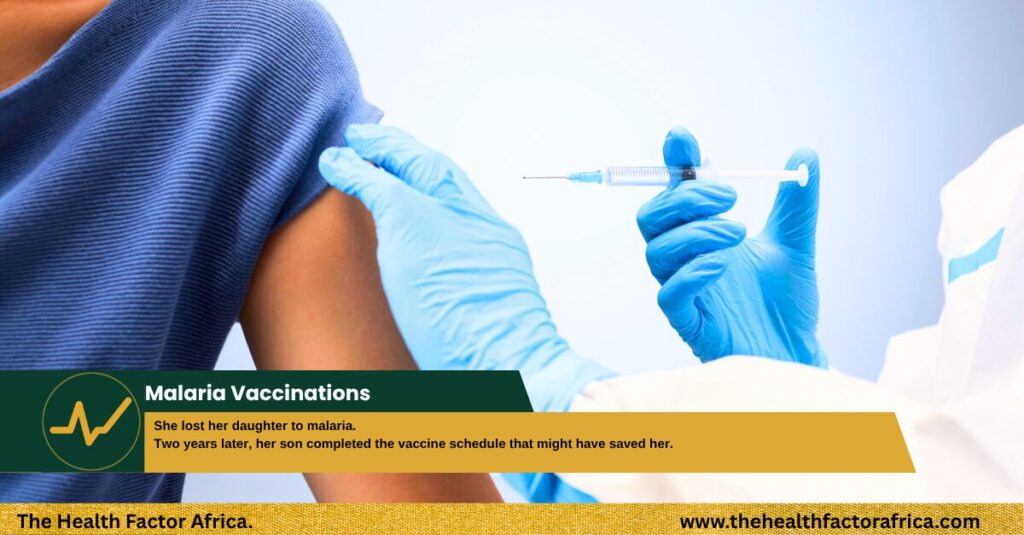
Nafisa Umar’s daughter Aisha died of malaria at eight months old, a loss she still describes simply: “it started with a fever. By the next day, she was gone.” Two years later, when a community mobiliser arrived at her home to explain Nigeria’s new malaria vaccine, Nafisa didn’t hesitate. She enrolled her son Bashar, then nine months old, becoming one of the earliest participants in the joint rollout by the Kebbi State Ministry of Health, UNICEF, and Gavi, the Vaccine Alliance. Over the following thirteen months, she returned three more times to complete his full dose schedule.
As of December 2025, the rollout had reached 184,000 children in Kebbi State in just eight months, part of the broader vaccination effort we’ve reported on that coincided with roughly a 50% drop in malaria hospitalisations in the state. Nigeria still carries the world’s highest malaria burden, but Bashar’s completed vaccination schedule places him among the first generation of Nigerian children with lifelong protection against the disease that killed his sister.
What You Can Do
- If you have a child aged 5 to 23 months in an area where the malaria vaccine is available, ask your primary healthcare centre about starting the schedule, and don’t stop after the first dose, the full protection depends on completing all doses.
- Community mobilisers are often the actual bridge to vaccination access. If one visits your area, their guidance on timing and locations is worth taking seriously.
This article is for general health education. If you have questions about the malaria vaccine schedule, consult your nearest primary healthcare centre.
The Health Factor Africa
Stay on top of the claims
One email a week: explainers, myth-checks, and the stories behind the headlines.