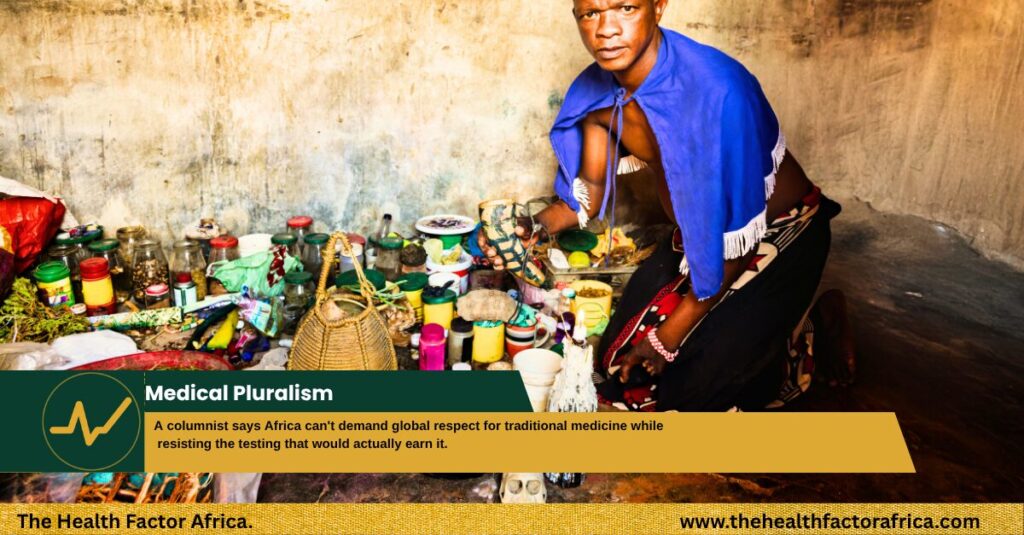
We’ve made this point before from the science side: vincristine, a real chemotherapy drug still used today, traces directly back to traditional plant knowledge that researchers took seriously enough to test rigorously. A recent opinion piece by columnist Patrick Iwelunmor makes essentially the same argument from a policy direction, published around Nigeria’s World Traditional Medicine Day commemoration on August 31.
The occasion was a health walk and conference hosted by the Nigeria Natural Medicine Development Agency (NNMDA), where Director-General Prof. Martins Emeje called for increased research and regulation to make African traditional medicine globally competitive. Iwelunmor’s column pushes that further: Africa, he argues, remains largely a consumer of medical knowledge rather than a producer of it, despite possessing centuries of indigenous healing knowledge in medicinal plants, bone setting, and childbirth practices.
His central argument avoids two easy traps. It doesn’t mean rejecting modern medicine, and it doesn’t mean uncritically accepting every traditional claim as valid simply because it’s indigenous. Instead, he points to India and China as models where traditional medical knowledge gained real international standing specifically because it was researched, standardised, and regulated, not simply preserved as heritage. His pointed line: “African traditional medicine practitioners cannot demand global recognition while resisting the scrutiny, documentation, standardisation and research required of any healthcare system seeking such recognition.”
That’s precisely the distinction we drew after tracing vincristine’s origins: the line that matters isn’t traditional versus modern, it’s tested versus untested, regardless of where the knowledge originated.
What You Can Do
- Support ethnobotanical and pharmacological research happening in Nigeria and across Africa. It’s the mechanism that actually converts traditional knowledge into verified medicine.
- Hold traditional and modern medicine to the same standard: has it actually been tested? That question protects you regardless of which tradition a remedy comes from.
This article summarizes an opinion column; the views expressed are the original author’s own. It is for general information and does not replace professional medical advice.
The Health Factor Africa
Stay on top of the claims
One email a week: explainers, myth-checks, and the stories behind the headlines.


