We wrote about this outbreak two weeks ago, when a river boat quarantine near Kinshasa turned out negative and the region breathed a brief sigh of relief. At the time, the underlying outbreak had recorded around 4,200 cases and roughly 1,900 deaths. It has gotten meaningfully worse since.
The Numbers Now
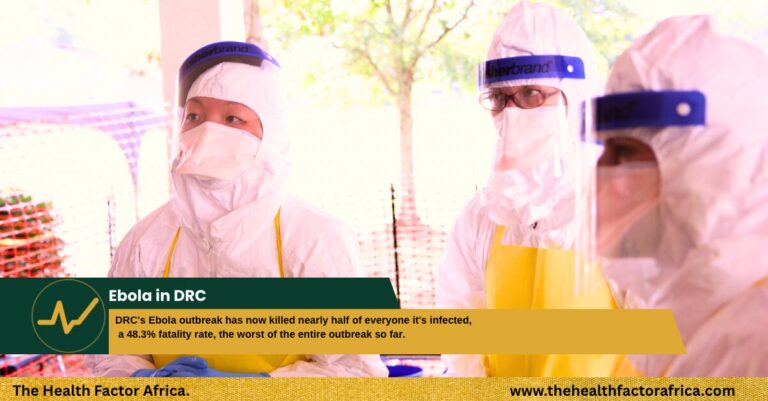
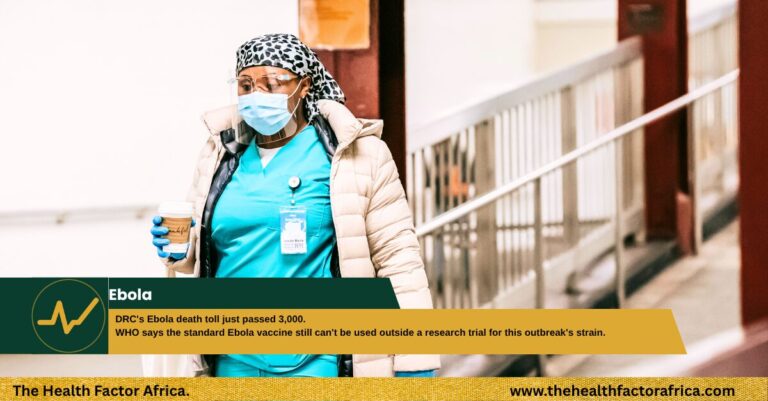
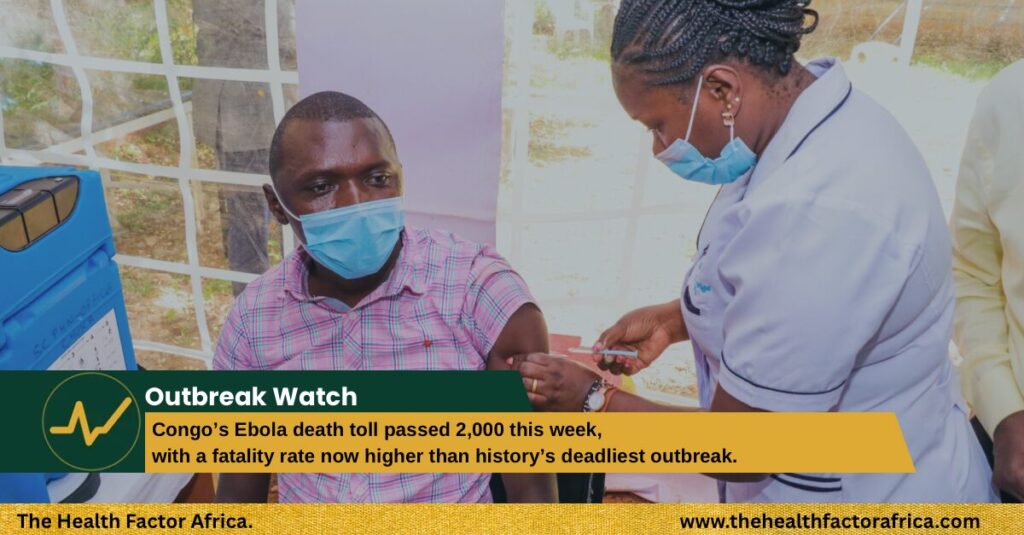
Congo’s government reported this week that the outbreak has reached 4,381 confirmed cases and 2,011 deaths. The pace is the real story: it took about nine weeks for the outbreak to reach its first 1,000 deaths, and just three weeks to double to 2,000. The case fatality rate now stands at 45.9%, higher than the 39.6% recorded during the 2014-2016 West African outbreak, history’s deadliest. This outbreak is already the second-largest ever recorded, and its death rate is now outpacing even that grim benchmark.
Why This Strain Is Uniquely Dangerous
Part of what makes this outbreak so hard to fight isn’t just speed, it’s the specific virus behind it. This is caused by the Bundibugyo species of Ebola, a rarer variant with no approved vaccines or treatments, unlike the more familiar Zaire strain that Ervebo, the vaccine used in most recent Ebola responses, was developed against. Clinical trials for vaccines and treatments specific to this outbreak have only just begun in Ituri province, the epicentre of the crisis, meaning frontline responders are fighting without the tools that made past outbreaks more containable.
It Was Already Spreading for Months Before Anyone Noticed
Perhaps the most sobering detail to emerge recently: this outbreak was officially declared on May 15, but genomic sequencing now shows it actually began months earlier, in February, or possibly January. A study published in the journal Science identified more than 500 suspected cases between mid-January and the May declaration that went undetected at the time. Part of why: WHO says some of those early cases were wrongly attributed to malaria and typhoid, and early testing focused on the more common Ebola strain rather than Bundibugyo. It’s an uncomfortable echo of something we’ve covered before, how easily fever and body pain in this region get defaulted to a malaria or typhoid diagnosis without further testing, sometimes with far higher stakes than anyone realizes at the time.
Why the Response Keeps Falling Behind
Multiple compounding factors are slowing containment: active rebel conflict in the region, poor road access to remote localities, and health workers going on strike over unpaid wages since the outbreak was declared. WHO’s Regional Director for Africa, Dr. Mohamed Yakub Janabi, summarized the core problem bluntly at a recent news conference: officials are “chasing the virus, the virus is ahead of us.” WHO has also confirmed that most new cases are still being detected outside of contacts already being monitored, meaning transmission chains remain largely outside health workers’ control.
It’s Already Crossed Into Uganda
The outbreak has expanded across five eastern DRC provinces and has led to confirmed cases in neighbouring Uganda. WHO has declared it a Public Health Emergency of International Concern, its highest level of alert, reflecting the risk of continued cross-border spread.
What You Can Do
• If you’re in or traveling to eastern DRC or neighbouring border regions, check current travel advisories regularly, as the situation is escalating rather than stabilizing.
• Don’t assume a fever is automatically malaria or typhoid in outbreak-affected areas. This outbreak’s own undetected spread was partly driven by exactly that assumption.
• Know that this strain has no approved vaccine yet. Prevention through avoiding contact with bodily fluids and contaminated materials remains the primary protection available right now.
• Follow WHO and Africa CDC updates directly rather than social media rumors, given how quickly the situation is changing.
The Health Factor Africa
Get Outbreak Watch in your inbox
New outbreaks, new data, sent the moment we publish.