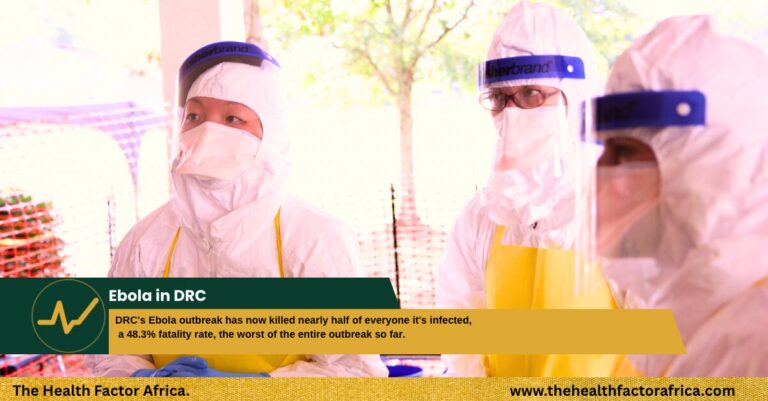
For a few tense days this week, Kinshasa held its breath. More than 200 passengers aboard a river boat were placed under quarantine at the port of Maluku, just 65 kilometers from the Congolese capital, after a fellow traveler who had disembarked weeks earlier died showing symptoms matching Ebola. On Saturday, the Democratic Republic of Congo’s National Institute of Biomedical Research confirmed the relief: every suspected case on board tested negative for the Bundibugyo virus.
That single piece of good news, though, sits inside a much larger and far more serious story.
What Actually Happened on the River
The passenger who died had become sick and left the boat nearly three weeks earlier in Pimu, a town in Mongala province more than 1,000 kilometers from Kinshasa along the Congo River. By the time his death and symptoms raised alarm, the boat had continued on with its remaining passengers, eventually prompting the quarantine near the capital. Health ministry teams examined everyone aboard, tested anyone showing suspicious symptoms, and decontaminated the vessel. Kinshasa itself has recorded zero confirmed Ebola cases throughout this scare.
The Real Story Is Much Bigger Than One Boat
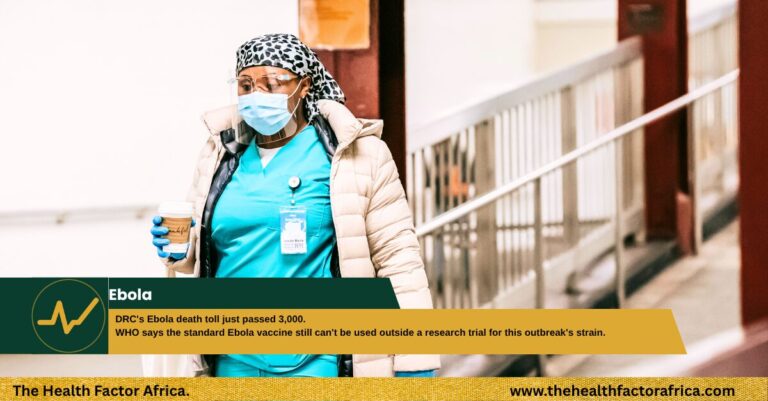
The outbreak this incident is connected to has been unfolding since May 2026, and it’s now the second-largest Ebola outbreak ever recorded — behind only the devastating 2014–2016 West African outbreak, which killed over 11,000 people. As of this week, DRC’s current outbreak has recorded more than 4,200 confirmed cases and over 1,900 deaths. Health authorities have described it as the fastest-spreading Ebola outbreak in history.
Why It’s Outrunning the Response
The reason for that speed is specific and troubling: authorities say between 60% and 70% of new cases are being recorded outside of contacts already being monitored — meaning the outbreak is repeatedly jumping ahead of contact-tracing efforts rather than moving through chains health workers can follow. Doctors Without Borders said this week the outbreak is still “spreading at an alarming and unprecedented rate,” and that despite an expanding response, it isn’t reaching communities fast enough to break transmission chains.
How Ebola Actually Spreads
Ebola is highly contagious but requires direct contact to transmit — through bodily fluids like blood, vomit, or semen, and through contaminated surfaces such as bedding or clothing. It doesn’t spread through air the way respiratory illnesses do, which is part of why contact tracing has historically been such a powerful tool against it — when it can keep pace with case numbers.
Why This Matters Beyond DRC’s Borders
Nigeria has its own hard-won history here: during the 2014 West African outbreak, Nigeria became one of the few countries to successfully contain an Ebola introduction through fast, disciplined contact tracing — a case study still referenced in outbreak response training today. There is currently no confirmed Ebola case in Nigeria tied to this DRC outbreak, and no indication of regional spread beyond DRC. But the speed at which this outbreak is outrunning monitored contacts is exactly the kind of pattern that makes cross-border vigilance, not panic, the right response for neighboring countries and international travelers.
What You Can Do
• If you’re traveling to or from affected regions of DRC, check current travel health advisories before departure — the situation is actively evolving.
• Know the real transmission risk. Ebola spreads through direct contact with bodily fluids and contaminated materials, not casual proximity — useful to know if misinformation starts circulating.
• Don’t panic over isolated symptom reports, but do take them seriously. This week’s outcome — a full quarantine and negative results — is exactly how a functioning response system is supposed to work.
• Follow updates from the Africa CDC and WHO rather than social media rumors if concern about this outbreak reaches your community.
The Health Factor Africa
Get Outbreak Watch in your inbox
New outbreaks, new data, sent the moment we publish.