Who owns your medical records, your test results and the genetic data from samples taken during an outbreak? Across much of Africa, there is still no clear answer.
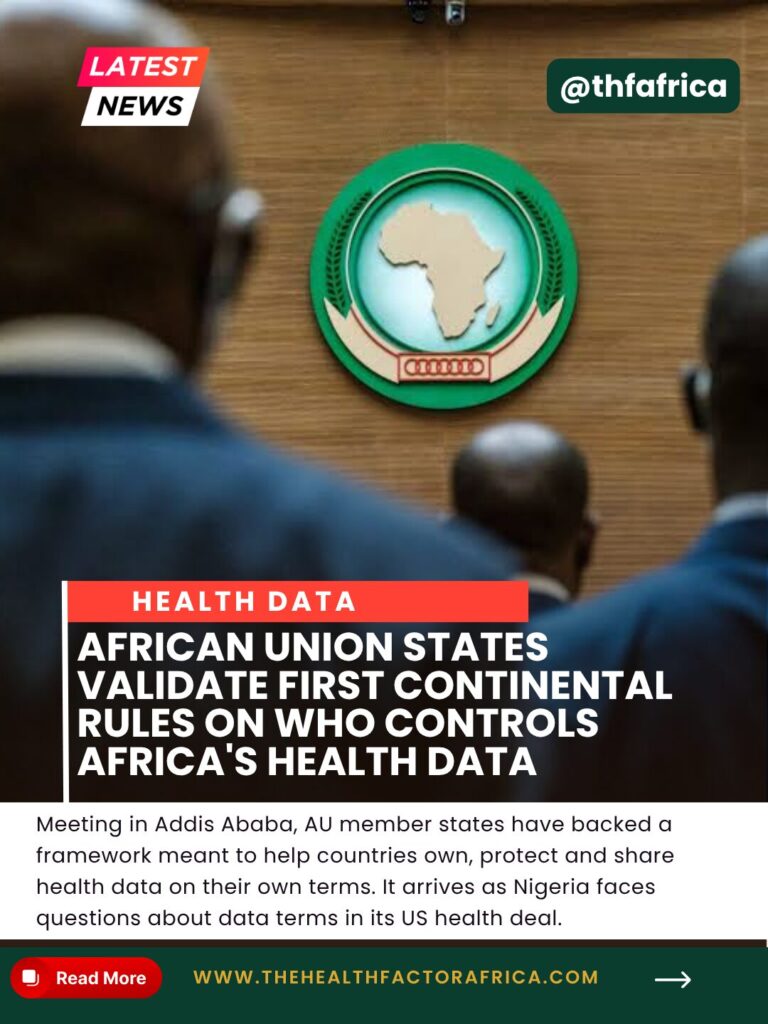
African Union member states took a step toward one in Addis Ababa on October 22, validating the African Continental Health Data Governance Framework, the continent’s first common approach to governing health data.
What it does
The framework is meant to guide countries as they write national health data laws and policies. Its core idea is sovereignty: each country keeps control of its own health data while following shared safeguards on privacy, security, ethics and algorithmic bias.
It also proposes a “federated” model for sharing data across borders, so countries can exchange information during outbreaks without handing over control of their national systems.
“Health sovereignty begins with owning, protecting and using our own data,” said Africa CDC Director-General Dr Jean Kaseya. “For too long, Africa’s health data have been fragmented across disconnected systems.”
What comes next
Africa CDC will finalise the text with agreed amendments before it moves through AU policy processes, with consideration expected in 2027. Countries will lead implementation, with technical support from Africa CDC and the Transform Health coalition.
Why it matters now
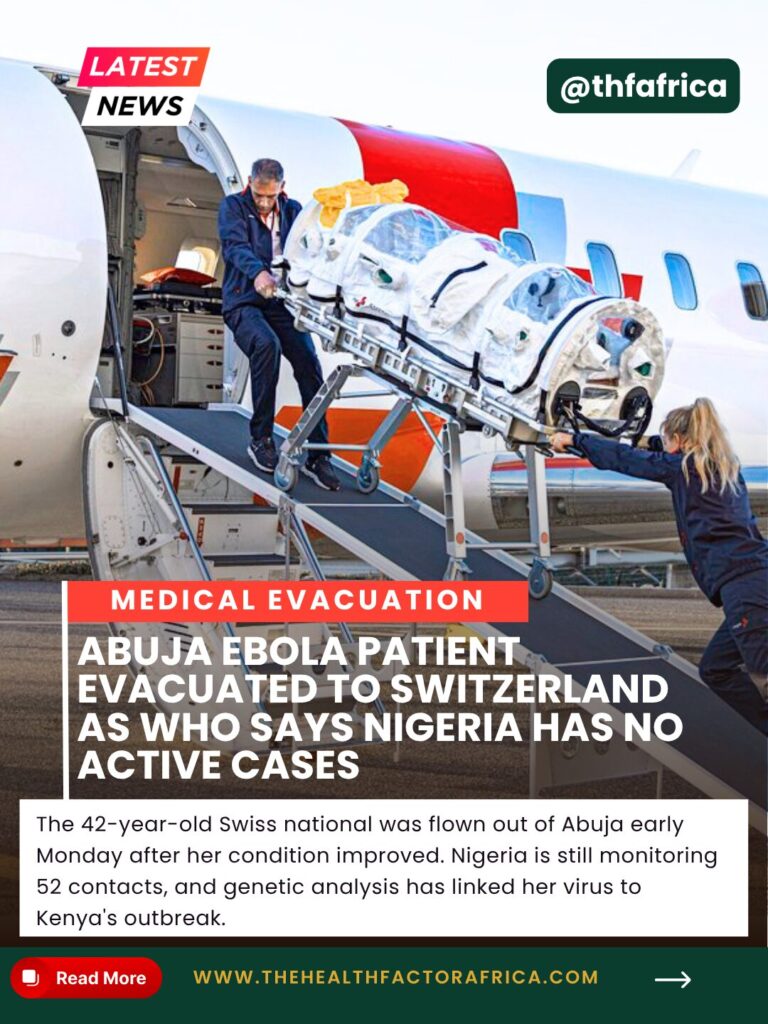
The timing is striking. Ghana recently rejected a US health deal partly over demands for medical records and pathogen data. Nigeria’s own deal with the US says the two countries “intend to negotiate a regulated data sharing arrangement,” with the full text still unpublished. And the Ebola case in Abuja shows how fast cross-border data sharing matters during an outbreak.
A continental framework will not settle those questions by itself. But it gives African governments a common standard to measure such agreements against, and citizens a basis to ask whether their data is being protected.
The Health Factor Africa
Get verified health news, free
One email a week: explainers, myth-checks, and the stories behind the headlines.
Work in health policy, government or an NGO? Get the monthly Policy Brief instead.